Photo tracking
Can AI Really Count Calories From a Photo?
A food photo can suggest ingredients and portions, but it cannot measure every part of a recipe. Here is how to understand a calorie estimate.
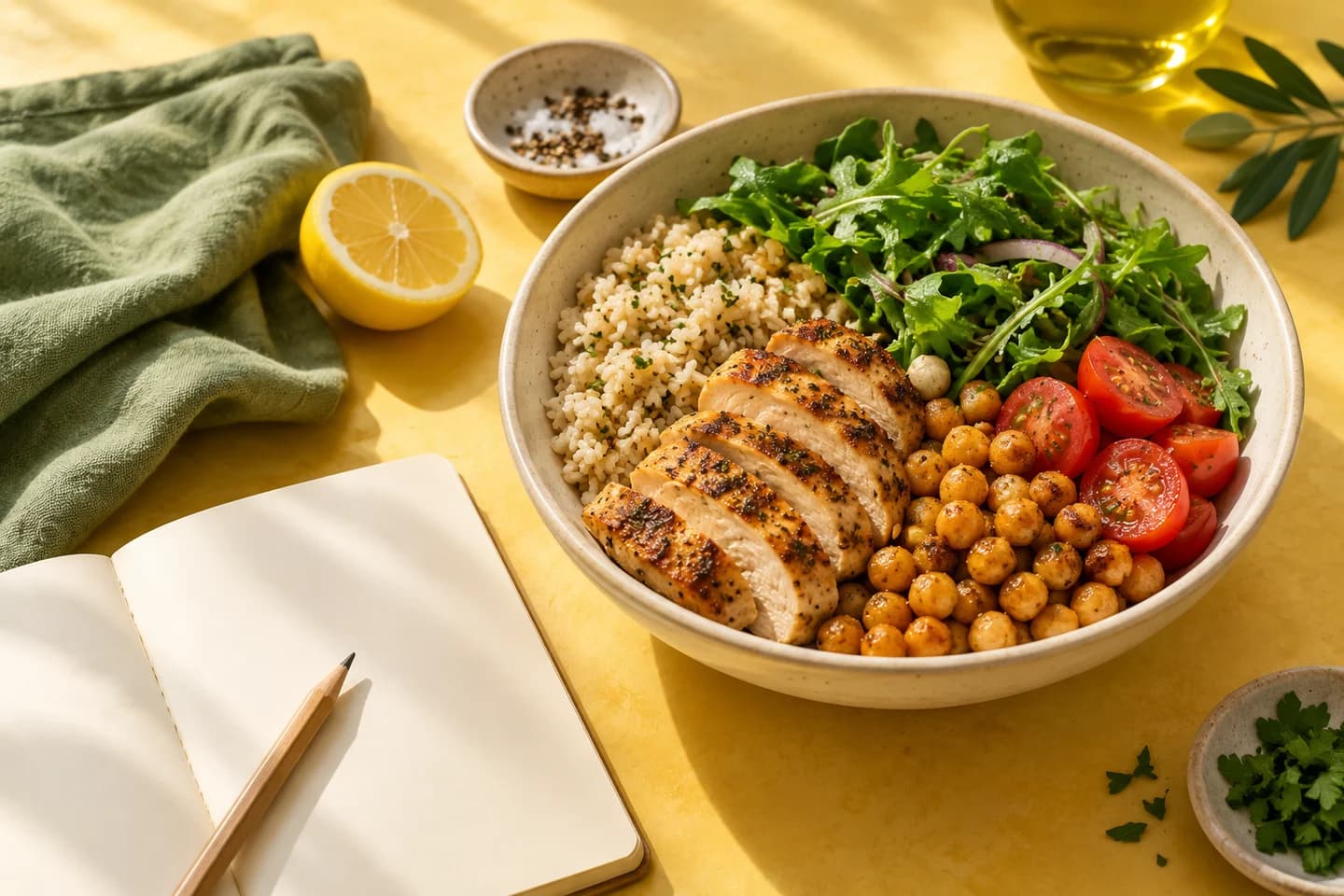
A photo captures what your meal looks like, not its full recipe. That distinction matters when a calorie tracker turns an image into a nutrition estimate.
If you've ever watched an app identify a bowl of pasta, you may have wondered how much it really knows about the sauce, oil and serving size. The useful answer begins with what is visible—and what remains hidden.
In practice, one number is the last step in a chain of assumptions: identify the food, decide what its name refers to, infer an amount, and match that amount to nutrition data. Each step can introduce uncertainty. Understanding the chain makes the estimate easier to correct.
What a food photo can tell an app
A clear picture can help identify the likely food, components and broad portion proportions. It can also help you remember what you ate without searching a database for every ingredient.
The result still depends on an interpretation of the meal. Two dishes that look alike may use very different quantities of cooking fat, cheese or sauce.
Recognition is different from measuring calories
A system can recognize 'scrambled eggs on toast' without knowing how much butter was used, whether the eggs contain milk or the precise weight of the bread. Those missing details are not visible labels waiting to be read from the pixels. They have to be supplied, assumed or left uncertain.
A nutrient database describes particular foods and amounts. USDA FoodData Central, for example, separates analyzed ingredient data, survey food entries and branded products. To estimate a photographed meal, the app must map its best guess to an appropriate record. If the guessed dish or portion differs from reality, the nutrient total will differ too.
Why serving sizes are the hard part
A photo does not automatically provide the weight of each ingredient. The camera angle, overlapping foods, plate size and ingredients underneath a topping can affect an estimate.
For recipes cooked at home, an ingredient list and the number of servings usually provide better context than an image alone. For packaged foods, the Nutrition Facts label is often a more direct starting point.
What research on food photos can tell us
Scientists have tested food photographs as tools for estimating serving sizes. Studies show that the accuracy varies by food, presentation and measurement method; the conclusions are specific to their experimental settings. These papers help explain uncertainty in photo-based food records, but do not establish the accuracy of BiteCheck or any other app.
There is a difference between recording a meal by photo and testing a particular AI model against a measured reference. To claim that an app is accurate within a given percentage, a study would need known ingredients, weighed portions, a clear sample and a reproducible comparison. BiteCheck has not presented such a benchmark in this article.
How to get a more useful estimate
Keep the whole plate visible. Include drinks and condiments rather than leaving them outside the frame. Correct the serving size if you know it and add preparation details such as fried, roasted or cooked in oil.
Treat the outcome as a starting point for a consistent food log, not a laboratory measurement. When precision matters, use the weighed ingredients or packaging information available to you.
What to look for in an AI calorie tracker
A helpful tracker should show what it inferred and let you edit a food or portion. It should be clear that the number is an estimate; precision in the display does not necessarily mean precision in the underlying information.
BiteCheck supports photo, voice and text logging. The best approach is often to combine a quick photo with corrections you already know about the meal.
Try this example before accepting a result
Imagine a bowl containing rice, chicken, vegetables and a glossy sauce. An app might identify all four visible components, but only you know whether the sauce came from a jar, included added oil or was served separately. Review the item list, correct anything misidentified and record the sauce as best you can.
For a packaged sauce, the FDA recommends beginning with the Nutrition Facts serving information. For a home-cooked version, an ingredient list is more informative than the photograph. If the sauce amount is genuinely unknown, keep that uncertainty instead of pretending the final total is exact.
Sources and further reading
- USDA FoodData Central
- FDA — How to Understand and Use the Nutrition Facts Label
- USDA FoodData Central — Data Type Documentation
- Lucassen et al. (2021) — The accuracy of portion size estimation using food images and textual descriptions
General information, not individual medical or nutritional advice. Verify product labels, serving sizes and professional guidance when appropriate.