
AI meal logging
How to Correct an AI Meal Estimate After Taking a Photo
An AI food log is a draft, not a final measurement. Use a practical review workflow to catch missed ingredients, serving sizes and duplicate entries.
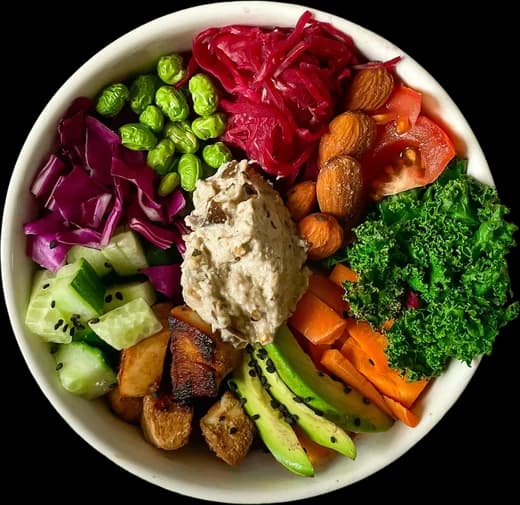
You photograph a meal. The app identifies a few ingredients and returns a calorie total. It looks convincing—but perhaps the sauce was counted as soup, one side dish is missing or a bowl was treated as a larger serving than you actually ate.
Before you save the result, treat it like a first draft. A good correction takes a moment to compare the app's assumptions with the food you remember. You do not need to know every gram to fix obvious mismatches.
Read the item list before looking at the total
A total can appear precise even when the foods underneath are wrong. Begin by examining what the app says is on the plate. If it identifies potatoes as rice or misses the drink, correcting those items changes what the estimate describes.
Do not assume an AI system measured calories directly from pixels. The estimate relies on recognizing likely foods, guessing portions and connecting the result to some source of nutrient data. USDA FoodData Central illustrates how such nutrient references differ by food description and data type.
Add anything the image could not see
Cooking oil, sauces, spreads, hidden fillings and beverages are common examples of information a photograph may not fully explain. If you prepared the meal, remember what went into the recipe. If you bought it, check the package or menu information available to you.
Suppose the photo shows a chicken wrap, but the tracker lists only tortilla, chicken and lettuce. If the wrap also contains a generous dressing, an entry describing the dressing matters more than adjusting the final calorie number without explanation.
Check the serving size and unit
Food records can be defined per gram, per cup, per piece or per package serving. A photograph can suggest size but does not establish those units perfectly. The FDA's Nutrition Facts guidance says the nutrients on packaged food usually correspond to a defined serving, not necessarily to the entire package.
If you know you ate half the package, two labeled servings, one slice of a pizza or part of a batch recipe, update that amount. For homemade foods, a saved recipe and approximate fraction of the batch may be more meaningful than an image-only guess.
Avoid adding the same ingredient twice
An app might return a prepared-dish entry that already includes several components. If you then add every visible ingredient separately, you may duplicate part of the meal. Read whether the selected record is for plain chicken, a complete chicken sandwich or a restaurant menu item.
The safest correction is to keep the structure consistent: either log an appropriate complete dish and its extras, or log components that together represent the dish. Mixing both approaches without checking is a common source of inflated totals.
Use a short note when an amount is unknown
Not every correction can become a precise number. If you do not know how much oil was used at a restaurant, record that it is uncertain. Do not select a random gram value and then treat it as fact because the interface accepts it.
Research on portion estimation from food photographs shows that visual assessment carries measurement error. The lesson for an everyday log is not that photos are useless. It is that reviewing assumptions and preserving context are essential.
Review, save and move on
A quick sequence works well: confirm foods, add missed extras, correct obvious portion mismatches, remove duplicates and save the meal. If better information turns up later, use it to correct your record; the available editing controls depend on the tracker. Repeatedly tweaking uncertain digits is unlikely to reveal a hidden true value.
BiteCheck supports photo, voice and text food logging so you can start with the easiest input and refine it. For everyday awareness, an understandable and honestly approximate entry is often better than a falsely exact one. If your health care requires precise dietary records, use the method your qualified care professional recommends.
Sources and further reading
- USDA FoodData Central — Data Types
- FDA — Serving Size on the Nutrition Facts Label
- Lucassen et al. (2021) — The accuracy of portion size estimation using food images and textual descriptions
General information, not individual medical or nutritional advice. Verify product labels, serving sizes and professional guidance when appropriate.