
Everyday food logging
How to Log Homemade Recipes Without Guessing Each Ingredient
A practical method for recording soups, pasta, casseroles and shared family meals using recipe ingredients and realistic portion estimates.
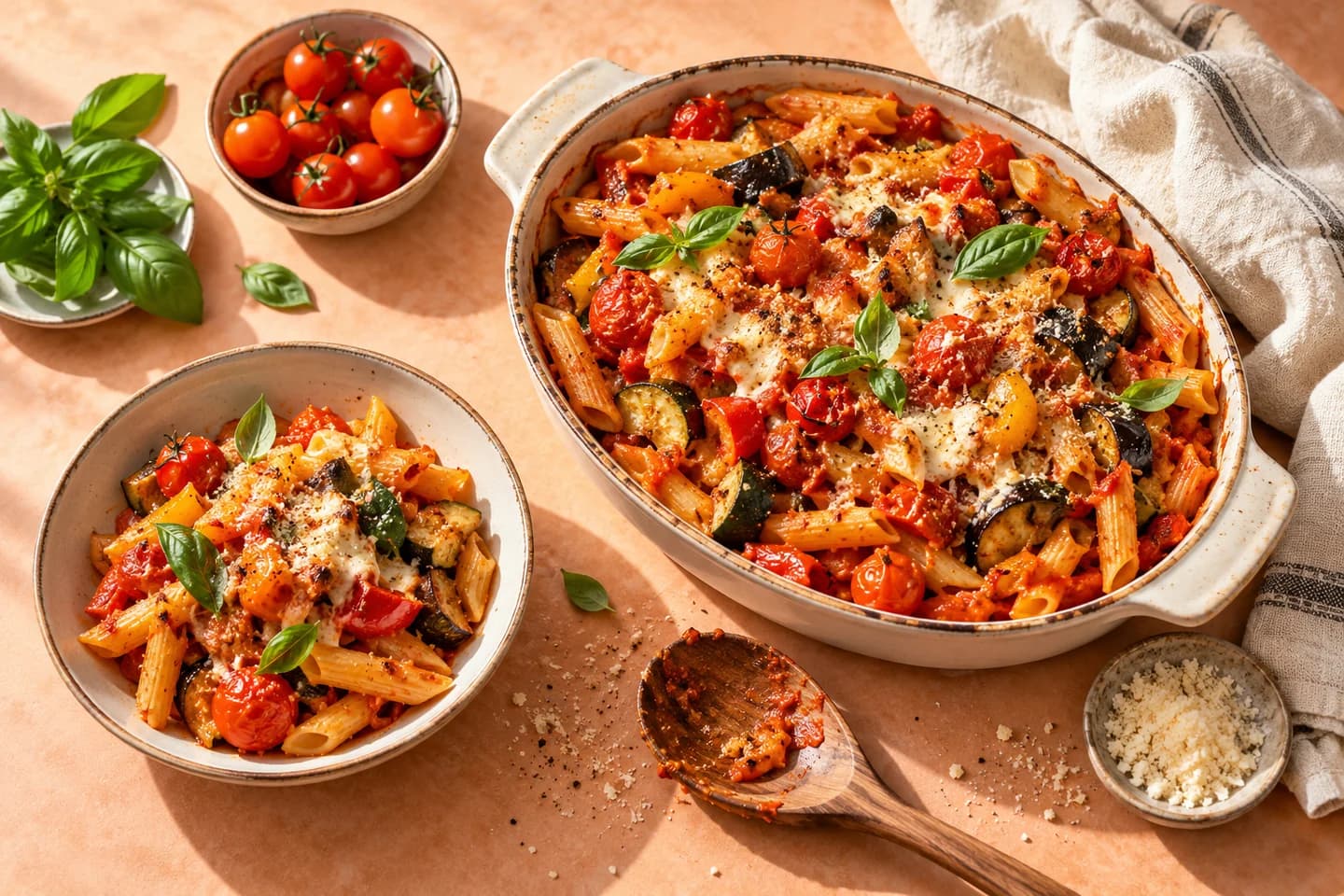
A bowl of homemade soup is not a standardized product. Your version may contain more beans, less oil or a different broth than the first database result. That does not make the meal impossible to log; it means the recipe is a better starting point than the dish name.
The method below works for meals cooked in batches, shared around a table or saved for another day. It is about creating a usable estimate, not pretending a home kitchen is a laboratory.
Start with what went into the whole recipe
Write down the main ingredients while cooking, or use a saved ingredient list afterward. Include cooking oil, butter, sauce, milk, toppings and other additions that are easy to forget. For a store-bought ingredient, use its package information when available; otherwise select a food entry that matches the ingredient and preparation.
Be specific enough to repeat the recipe next time. 'Chicken, potatoes and vegetables' is a useful note, but 'chicken thighs, potatoes, carrots, stock and two tablespoons of oil for the pot' tells a tracker much more. Do not invent an exact amount if you did not measure it; mark it as an estimate.
Count the pot before you divide it
Estimate the nutritional contribution of each ingredient and add them for the entire batch. This is a recipe calculation, not the number of calories you personally ate. Only after the whole recipe is accounted for should you divide it by the portion you served.
Imagine a purely illustrative recipe totaling 1,200 calories. If it is divided into four equal servings, each serving represents about 300 calories. Real batches are rarely split perfectly evenly, especially when heavy ingredients settle at the bottom; the arithmetic is exact for the example, but the serving assumptions may not be.
Decide what one serving means in your kitchen
Possible units include one bowl, one ladle, one slice, one-sixth of a casserole or a measured weight. Pick the description that fits how you actually serve the dish. A bowl is convenient but variable; a number of equal slices may be easier when portions really are similar.
If you weighed the entire cooked batch, you can estimate a portion as a fraction of its cooked weight. That is generally more informative than comparing the cooked serving directly to a raw ingredient weight. Keep the distinction between raw ingredient inputs and cooked batch output clear.
What changes when food cooks?
Cooking can change how much water food contains. A pot of pasta absorbs water; a sauce may simmer down. If you use the same cooked weight as a raw ingredient entry, you may be comparing unlike things. USDA FoodData Central offers different kinds of food entries, so read whether a value describes a raw ingredient, a cooked food or a prepared dish.
The total nutritional estimate for a recipe is not perfectly fixed by a single database lookup. Preparation, drainage and ingredients all introduce uncertainty. For a simple homemade log, a clear record of what you used is often more useful than an overprecise result.
How to handle leftovers and family portions
Save the recipe rather than entering all its components again for every meal. If you ate roughly one quarter today and another quarter tomorrow, log the proportion eaten each time. If someone else added cheese or dressing to their portion, that addition belongs to their serving, not automatically to every bowl in the pot.
When the recipe changes—more oil, a new sauce, different portion count—edit the saved version or create a new one. Reusing the old entry for a significantly changed batch can look consistent while hiding a real difference.
Where a photo still helps
Take a picture of your actual serving to remember its size and components. In BiteCheck, you can use photo, voice or text to start a log, then correct the likely foods and amounts. For a mixed homemade dish, providing the recipe context is the stronger source of information.
This approach keeps meal logging manageable: recipe for ingredients, portion estimate for what you ate, photo for a quick record. If detailed food tracking is clinically required, ask the professional managing your care what level of measurement is appropriate.
Sources and further reading
- USDA FoodData Central — Food and Nutrient Data
- USDA FoodData Central — Data Type Documentation
- NIDDK — Food Portions: Choosing Just Enough for You
General information, not individual medical or nutritional advice. Verify product labels, serving sizes and professional guidance when appropriate.