
Portions and ingredients
How to Log Cooking Oil, Sauces, and Dressings More Reliably
A useful food diary needs more than the main ingredient. Learn how to account for cooking fats, sauces, toppings and shared dishes without false precision.
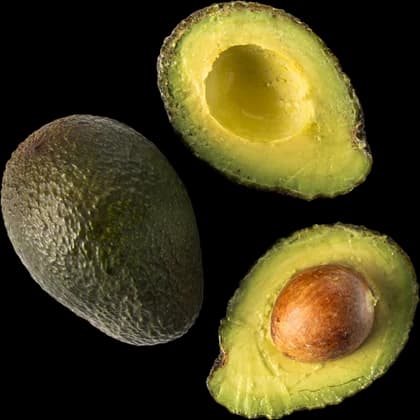
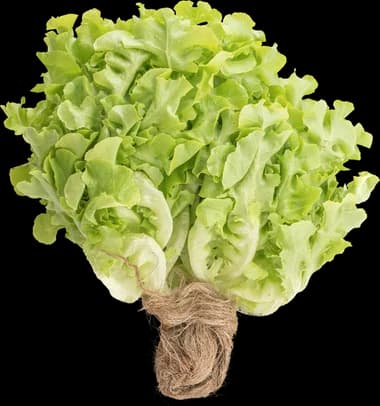
A picture of grilled vegetables can show the vegetables clearly. It usually cannot tell you whether the pan was dry, lightly brushed with oil or coated generously. The same problem appears with salad dressing, a glossy pasta sauce and the spoonful of spread underneath a sandwich filling.
These details matter because a food log describes what you ate, not just what the camera can identify. The solution is not to guess a suspiciously exact number. It is to preserve the few preparation details you already know.
Separate the visible food from the preparation
Start with the core items on your plate. Then ask a second question: what was added before serving? A useful food entry for roasted potatoes, for example, distinguishes the potatoes from the oil and any dip. A bowl of noodles may need both a noodle entry and information about its sauce.
This does not mean every spice needs its own line. Focus on ingredients that materially change the nutritional profile and can be described with reasonable confidence. If the dish came from a restaurant, note that the amount may be unknown rather than inventing it.
For home cooking, record what went into the pan
When you prepare food yourself, the bottle, recipe and measuring spoon can answer questions a photo cannot. If you added two tablespoons of oil to an entire pan, write down that amount for the recipe. If you do not know how much remained in the pan or was shared across servings, the resulting estimate still has uncertainty.
Be consistent about the level you are recording. An ingredient used for a family meal belongs in the whole-recipe calculation first. It should not be assigned in full to every individual serving.
Dressings and dips deserve their own description
Consider a salad with a creamy dressing poured on top. Recording the salad's vegetables is only part of the task. If you used a packaged dressing, check its Nutrition Facts label for serving size and nutrients. The FDA explains that values usually represent one listed serving; your actual amount may differ.
If the sauce is homemade, list its main ingredients where practical. If someone else prepared it, 'creamy dressing, amount uncertain' is a more honest note than claiming you measured a tablespoon. A photo can still help you remember whether the sauce was on the side or mixed in.
Use the label, but keep the amount attached to it
A bottled sauce might list nutrients for a tablespoon, a larger spoonful or another household measure. Read both the unit and the serving size in grams if it is provided. FDA label guidance also distinguishes a labeled serving from an instruction about how much someone should eat.
Suppose a sauce label reports nutrition for one serving, but you used roughly two of those servings. The corresponding logged amount should be adjusted to match. The arithmetic is straightforward; identifying how much was used is the uncertain part.
At a restaurant, be explicit about missing information
Restaurant dishes can contain sauces and cooking fats that are invisible in a finished photograph. Some US chain restaurants provide calorie and additional nutrition information for standard menu items under FDA menu-labeling requirements. Where available, that information is a useful starting point for that menu item.
Do not assume a menu listing perfectly describes substitutions, extra toppings or a portion that differs from the standard preparation. If no reliable menu information exists, log the components you can identify and describe the rest as estimated.
A practical checklist after photographing a meal
Before saving, ask: Did I include the drink? Was the main food fried, baked or sautéed? Was there oil, dressing, dip, cheese or another topping? Is this a single serving or one portion of a shared recipe? A few short answers often make the meal entry more informative.
BiteCheck can start a meal log from a photo, voice note or text. Correct the ingredients and portions where you have better information. An editable estimate is useful precisely because a photo never captures the whole preparation story.
Sources and further reading
- FDA — Serving Size on the Nutrition Facts Label
- FDA — Calories on the Menu
- USDA FoodData Central — Food and Nutrient Data
General information, not individual medical or nutritional advice. Verify product labels, serving sizes and professional guidance when appropriate.