Everyday food logging
How to Track Calories Without Weighing Every Meal
You can keep a useful food log without putting everything on a scale. Learn when approximate portions help and when details matter.
Weighing ingredients can be useful, but it is not the only way to keep a record of what you eat. For many everyday meals, a consistent estimate and a few practical notes are easier to maintain.
The key is knowing where the uncertainty comes from instead of treating every number on the screen as exact.
This guide is about keeping a usable record, not prescribing how many calories to eat. You can log your meals at different levels of detail depending on what you know about the ingredients and why you are tracking them.
Start with the part you can describe
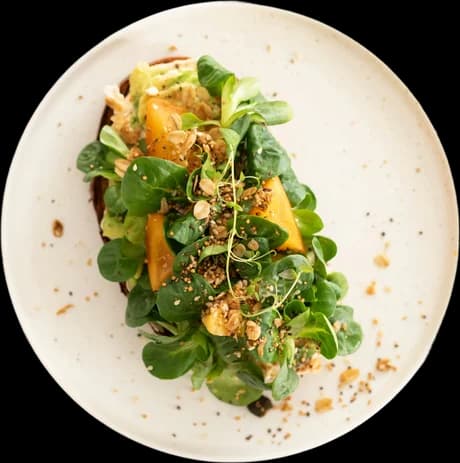
Record the meal as you remember it: a bowl of rice, chicken, vegetables and sauce, for example. A photo or short voice note can make that first step faster.
Be specific when you already know a portion, serving count or food label. Adding that information is often more helpful than guessing more decimal places.
Understand what an estimated portion means
NIDDK describes a portion as the amount a person chooses to eat, while a serving is a reference amount defined by a label or another system. That distinction is useful when you are not weighing food: 'one bowl of soup' describes your portion but may not equal one standardized serving in a database.
Describe portions with familiar information you actually have: one slice, half a container, a cup measure or roughly a quarter of a shared recipe. None of those descriptions should be treated as equally precise. If a household measure is not available, a qualitative note is still more informative than a made-up gram weight.
Know the ingredients that change the estimate
Added oils, spreads, dressings, beverages and toppings can affect the energy content without taking up much space on the plate. Note them when they are present.
Home-cooked meals are easier to estimate when you have the recipe and can divide its ingredients into servings. Restaurant meals may require a wider margin of uncertainty.
Use package information when it exists
Food labels provide serving size and nutrient information for packaged foods. Check whether the serving you ate matches the serving described on the label.
If your portion differs, adjust the logged amount rather than assuming that a package always equals one serving.
Handle foods you cook repeatedly
A favorite breakfast may be similar most mornings: the same bread, eggs and drink. Save a reusable entry for that combination, then modify what changed today. If you used a different bread or added a sauce, update the relevant ingredient rather than recopying the old total without checking.
Batch cooking can also reduce repetitive work. Record the main ingredients for the whole recipe and estimate the share you served. On later days, log the leftover portion. The overall estimate will reflect whatever uncertainty exists in the recipe and division into servings.
Build a routine that you can maintain
Try one consistent method for several days: add your food soon after eating, review the estimate and correct what you know. A consistent routine can make past entries easier to compare.
A tracker is a tool for awareness. If recording food starts causing distress or compulsive behavior, consider stepping away and seeking support from an appropriate professional.
When is weighing worth the effort?
A scale can help when a particular ingredient quantity matters and you have the food available to measure. It does not fix a wrong database entry, missing cooking oil or an unknown restaurant recipe. Weighing one item while guessing several others is not automatically a superior complete meal estimate.
Different people need different levels of detail. For someone seeking general awareness, a consistent photo and a few corrections may be adequate. For a medical condition or a specialized nutrition plan, measurement requirements should come from the qualified clinician or dietitian advising you.
Sources and further reading
- FDA — How to Understand and Use the Nutrition Facts Label
- USDA FoodData Central
- NIDDK — Food Portions: Choosing Just Enough for You
General information, not individual medical or nutritional advice. Verify product labels, serving sizes and professional guidance when appropriate.