
Food data explained
Why Calorie Tracking Apps Disagree on the Same Food
Two food logs can give different calorie totals for what looks like the same meal. Learn how entries, preparation and serving sizes affect the result.

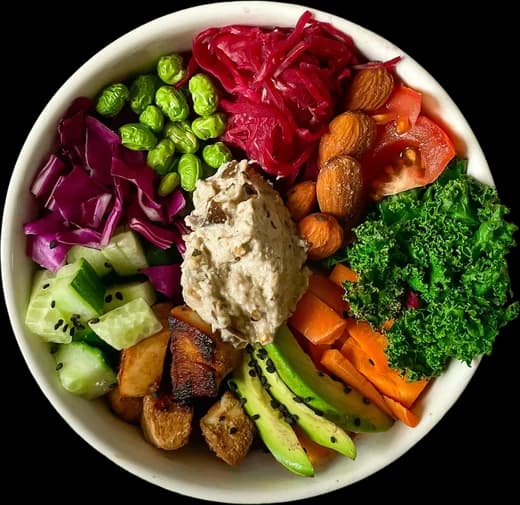
You look up a food in two calorie counters. One result says one thing; the other is noticeably different. Neither screen explains why. It is tempting to conclude that one app must be broken, but the disagreement often starts before any calculation happens.
A food name is not the same as a complete description. The database entry, preparation method, amount and extras all shape the final estimate. You can investigate most disagreements without becoming a nutrition expert.
First, make sure you are comparing the same food
A search result for rice may describe dry rice, cooked rice, a branded microwave product or a prepared restaurant side. Those entries do not represent the same amount of food or water. Comparing 100 grams of an uncooked ingredient with 100 grams of its cooked version creates an apparent contradiction even if both entries are correctly labeled.
Similar names can conceal ingredient differences. Two bowls of oatmeal may have different amounts of milk, sweetener or nut butter. A generic entry for chicken salad may not resemble the exact recipe on your plate. Start by reading each entry's full description, not just its display name.
The source behind an entry matters
USDA FoodData Central includes several kinds of data, such as analyzed foods, foods reported in dietary surveys and branded products based on package information. USDA describes these data types separately because they serve different purposes. A branded item and a generic ingredient should not automatically be treated as interchangeable.
For packaged food, compare the app entry with the Nutrition Facts label on the particular product. Formulas and package sizes can change, and a similarly named product from another country may differ. If the app's record is old or uses a different size, the package in your hand is the practical reference to check.
A serving and a portion are not synonyms
The FDA explains that serving sizes on labels reflect amounts typically consumed; they are not instructions about how much you should eat. The listed calories usually apply to one labeled serving, while your actual portion might be smaller or larger.
Consider the FDA's sample lasagna label: it lists 280 calories for a one-cup serving and 560 calories for two cups. The second number is not a different calorie theory; it is simply twice the labeled amount. If one app records a cup and the other records the entire two-cup portion, the totals cannot match.
Preparation details and toppings change what is being counted
A food record might refer to plain vegetables, while your dish includes a dressing. An app may identify pasta but not know how much oil, butter or cheese went into the sauce. If you compare the plain ingredient entry with a finished-dish entry, the difference is partly a recipe difference.
Be equally careful with drained, canned, cooked and raw descriptions. A number displayed with two decimal places still depends on the right ingredient definition. More digits do not solve a mismatched food record.
A five-minute way to resolve conflicting totals
Check the food's exact description and preparation. Match the quantity and unit: grams, cups, slices or package servings. Confirm whether the entry covers the whole dish or one component. Then look for additions that are not included in the selected record. For a packaged product, read the current label; for an ordinary ingredient, a suitable USDA record can provide context.
If two plausible estimates remain, note the uncertainty instead of repeatedly switching numbers until one seems reassuring. The useful habit is to apply the same transparent method each time. BiteCheck lets you review and correct an inferred meal before saving it, but it cannot remove uncertainty from an unknown recipe.
What disagreement does not tell you
One conflicting entry does not establish which app is more accurate overall. A fair comparison would require known ingredients, measured portions and the same definition of each food. We have not performed such a comparative product study here.
If precise nutritional accounting is medically important for you, use reliable product and ingredient data and seek guidance from an appropriate qualified professional rather than treating an approximate food-photo estimate as a measurement.
Sources and further reading
- USDA FoodData Central — Data Type Documentation
- FDA — Serving Size on the Nutrition Facts Label
- FDA — Calories on the Nutrition Facts Label
General information, not individual medical or nutritional advice. Verify product labels, serving sizes and professional guidance when appropriate.